TRANSFORMING CUSTOMER EXPERIENCE
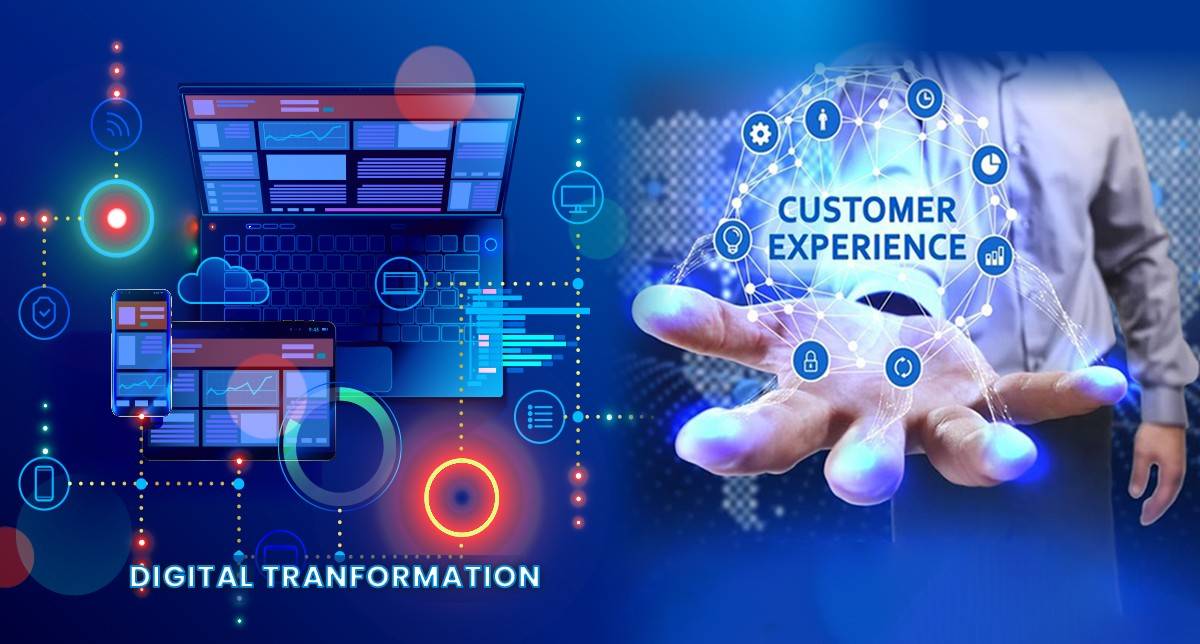
TRANSFORMING CUSTOMER EXPERIENCE: THE ROLE OF TECHNOLOGY IN SHAPING CONSUMER ENGAGEMENT
In Today's Competitive Marketplace, The Landscape Of Customer Experience (CX) Is Undergoing A Profound Transformation, Driven By Advancements In Technology. Businesses Across Industries Are Increasingly Recognizing The Critical Importance Of Delivering Exceptional CX Not Merely As A Differentiator, But As A Cornerstone Of Their Strategy For Growth And Sustainability. Here's How Technology Is Reshaping And Enhancing Customer Experience In The Modern Era:
1. Personalization At Scale:
Technology Enables Businesses To Gather And Analyze Vast Amounts Of Customer Data, Allowing For Highly Personalized Interactions. Machine Learning Algorithms And AI-powered Analytics Sift Through Customer Preferences, Behaviors, And Purchasing Patterns To Deliver Tailored Recommendations And Content. This Level Of Personalization Enhances Customer Satisfaction By Anticipating Needs And Preferences, Ultimately Fostering Loyalty And Increasing Lifetime Value.
For Example, E-commerce Platforms Use Algorithms To Suggest Products Based On Past Purchases And Browsing History, While Streaming Services Recommend Content Based On Viewing Habits. This Personalized Approach Not Only Enhances Customer Satisfaction But Also Drives Revenue Growth Through Increased Sales And Reduced Churn Rates.
2. Omni-channel Engagement:
Technology Has Blurred The Lines Between Physical And Digital Channels, Enabling Businesses To Create Seamless Omni-channel Experiences. Customers Expect Consistency And Continuity Across Various Touchpoints, Whether They Are Interacting Through A Website, Mobile App, Social Media, Or In-store. Integrated CRM Systems And Data Analytics Platforms Unify Customer Data Across Channels, Allowing Businesses To Deliver Personalized Experiences In Real-time.
Retailers, For Instance, Use Mobile Apps To Send Personalized Promotions To Customers Near Their Physical Stores, While Banks Offer Omnichannel Support For Seamless Banking Experiences Across Web, Mobile, And Branch Interactions. This Holistic Approach Ensures That Customers Receive A Consistent Brand Experience Regardless Of How They Choose To Engage With The Business.
3. Enhanced Customer Service With AI And Automation:
AI-powered Chatbots And Virtual Assistants Are Transforming Customer Service By Providing Immediate And Personalized Support Around The Clock. These Intelligent Systems Use Natural Language Processing (NLP) To Understand Customer Queries And Provide Relevant Information Or Assistance In Real-time. Chatbots Can Handle Routine Inquiries, Process Orders, And Even Escalate Complex Issues To Human Agents When Necessary, Thereby Improving Response Times And Overall Efficiency.
Moreover, AI-driven Sentiment Analysis Helps Businesses Gauge Customer Emotions And Feedback From Interactions, Enabling Proactive Measures To Address Concerns And Improve Service Delivery. This Proactive Approach Not Only Resolves Issues Swiftly But Also Enhances Overall Customer Satisfaction And Loyalty.
4. Empowering Customer Self-Service:
Self-service Portals And Mobile Apps Empower Customers To Manage Their Accounts, Track Orders, And Resolve Issues Independently, Reducing Dependency On Traditional Customer Service Channels. These Self-service Options Are Enhanced By AI-driven Recommendations And Intuitive User Interfaces, Simplifying Complex Processes And Providing A Frictionless Experience.
For Example, Airlines Allow Customers To Check-in, Select Seats, And Even Change Flights Using Mobile Apps, While Utility Companies Provide Self-service Portals For Bill Payments And Account Management. By Empowering Customers With Self-service Tools, Businesses Improve Efficiency, Reduce Operational Costs, And Enhance Customer Satisfaction By Providing Greater Control Over Their Interactions.
5. Data-driven Insights For Continuous Improvement:
Advanced Analytics And Data-driven Insights Enable Businesses To Gain A Deeper Understanding Of Customer Behavior And Preferences. By Analyzing Customer Feedback, Purchasing Patterns, And Engagement Metrics, Businesses Can Identify Trends, Anticipate Market Shifts, And Tailor Their Offerings To Meet Evolving Customer Expectations.
These Insights Not Only Inform Strategic Decision-making But Also Drive Innovation In Product Development And Service Enhancements. Businesses Can Proactively Introduce New Features, Adjust Pricing Strategies, Or Launch Targeted Marketing Campaigns Based On Data-driven Insights, Thereby Staying Ahead Of Competitors And Maintaining Relevance In A Dynamic Marketplace.
LOOKING AHEAD: THE FUTURE OF CX
As Technology Continues To Evolve, The Future Of Customer Experience Promises Even More Transformative Innovations. Emerging Technologies Such As Augmented Reality (AR), Virtual Reality (VR), And Voice Interfaces Are Poised To Redefine How Customers Interact With Brands, Offering Immersive And Intuitive Experiences That Bridge The Gap Between Physical And Digital Realms.
Furthermore, Advancements In AI And Machine Learning Will Enable Deeper Personalization And Predictive Capabilities, Allowing Businesses To Anticipate Customer Needs And Deliver Hyper-personalized Experiences In Real-time. The Convergence Of These Technologies Will Undoubtedly Shape The Future Of Customer Experience, Offering New Opportunities For Businesses To Differentiate Themselves And Forge Stronger Connections With Customers.
In Conclusion, The Integration Of Technology Into Customer Experience Is Not Just A Trend But A Strategic Imperative For Businesses Aiming To Thrive In Today's Digital Economy. By Leveraging Technology To Personalize Interactions, Streamline Processes, Empower Customers, And Derive Actionable Insights, Businesses Can Create Compelling And Memorable Experiences That Drive Customer Satisfaction, Loyalty, And Long-term Growth.